Opposition leader Robert Kyagulanyi, popularly known as Bobi Wine, has criticised Uganda’s religious leadership, accusing them of failing to defend justice during a tense post-election period at his home in Magere.
Speaking at a public town hall meeting in Washington, D.C., organised by the Onero Institute, the National Unity Platform (NUP) president said institutions expected to offer moral guidance are increasingly opting for political compromise. According to him, this trend has contributed to the suppression of dissenting voices across the country.
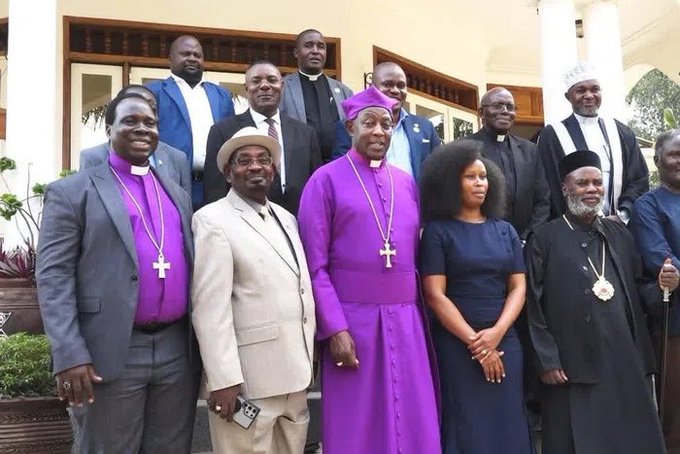
Kyagulanyi specifically referenced a visit by members of the Inter-Religious Council of Uganda (IRCU) to his residence in January 2026, shortly after the general elections. He claimed the delegation did little to support his family despite the difficult conditions they were facing at the time.
The former presidential candidate alleged that his home was heavily surrounded by security forces, leaving his wife, Barbie Itungo Kyagulanyi, and their children effectively confined indoors. He said the family struggled to access food and could not freely receive visitors.
According to Kyagulanyi, when the religious leaders visited, their primary concern was not the welfare of his family. Instead, he claimed they cautioned his wife against engaging in actions that could destabilise the country and inquired whether he was open to dialogue with President Yoweri Museveni.
The IRCU delegation, led by Stephen Kaziimba Mugalu, had earlier stated that their visit aimed to assess the situation, pray with the family, and verify reports surrounding the alleged restrictions at the residence.
During the meeting, Barbie Kyagulanyi reportedly informed the clerics about the limited movement in and out of the home due to security presence, raising concerns about access to essential supplies, surveillance, and overall safety.
Following the visit, the religious leaders held a closed-door meeting away from the media. They later maintained that their intervention was part of their broader mandate to engage stakeholders during sensitive political periods, promote calm, and establish facts before issuing public statements.
Kyagulanyi, however, insists that such engagements fall short if they do not prioritise justice and the protection of citizens’ rights, especially during moments of political tension.