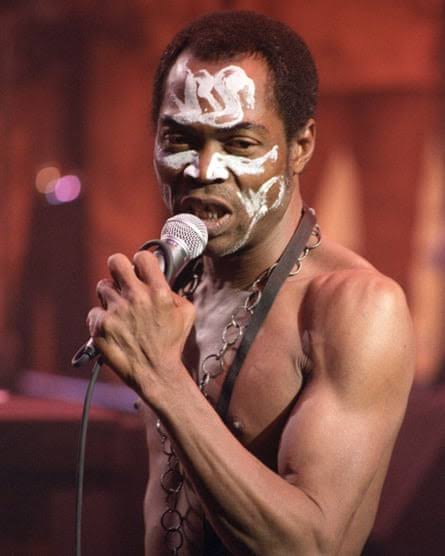
More than three decades after his death, Nigerian music icon Fela Anikulapo Kuti has made history as the first African artiste to receive a Grammy Lifetime Achievement Award, cementing his global legacy as the father of Afrobeat and one of Africa’s most influential cultural figures.
The Recording Academy announced the honour on Saturday in Los Angeles, ahead of the 68th Annual Grammy Awards, recognising Fela’s groundbreaking musical innovation and fearless political activism. The award was received posthumously alongside other global music legends.
For Fela’s family, the recognition is both celebratory and long overdue.
“We’re happy and excited that he’s finally being recognised,” said Yeni Kuti, Fela’s daughter, who attended the ceremony. “But Fela was never nominated for a Grammy during his lifetime. So yes, it’s better late than never, but there’s still a long way to go in properly recognising African artists.”
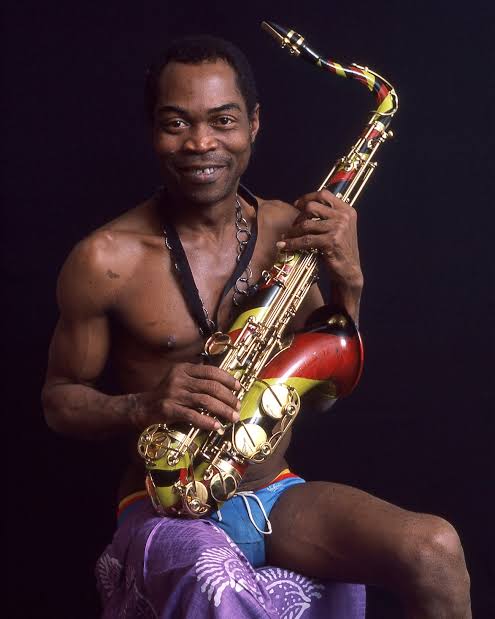
Renowned Nigerian visual artist Lemi Ghariokwu, who designed 26 of Fela’s iconic album covers, described the moment as historic but telling.
“The fact that this is the first time an African is getting this honour shows that Africans often have to work five times harder to be seen,” Ghariokwu said. “It’s ironic — Fela was totally anti-establishment, and now the establishment is recognising him.”
Fela Kuti was known as much for his radical politics as for his music. Through Afrobeat — a fusion of highlife, Yoruba rhythms, jazz, funk and soul — he openly challenged military rule, corruption and social injustice in Nigeria.
His 1977 album Zombie, a scathing critique of the military, led to a brutal raid on his Kalakuta Republic commune by soldiers, an attack that resulted in severe injuries and ultimately the death of his mother, activist Funmilayo Ransome-Kuti.
Despite arrests, harassment and imprisonment — including being recognised by Amnesty International as a prisoner of conscience — Fela never softened his message. When he died in 1997 at age 58, over one million people reportedly attended his funeral in Lagos.
In its citation, the Recording Academy noted that Fela’s influence spans generations, crediting him with inspiring global superstars such as Beyoncé, Paul McCartney and Thom Yorke, while laying the foundation for today’s global Afrobeats movement.
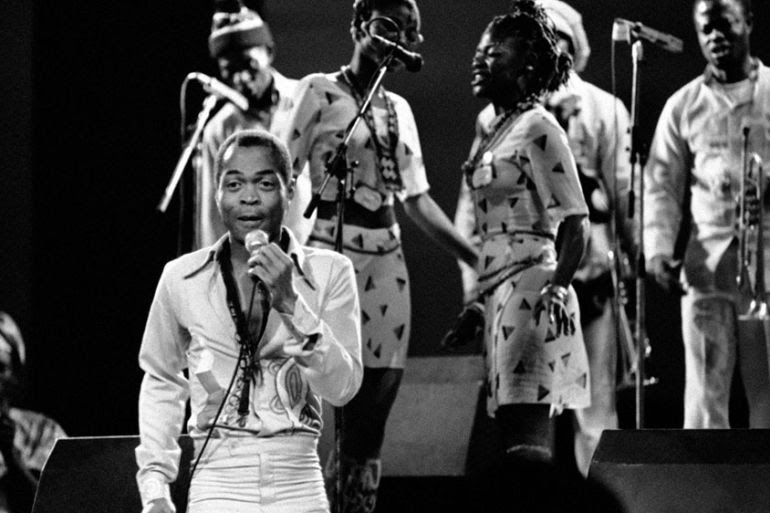
Though the modern Afrobeats sound differs stylistically, many of today’s African pop stars draw from the rhythms, aesthetics and cultural confidence that Fela pioneered.
Family members say Fela himself may not have been impressed by awards.
“He didn’t care about accolades,” Yeni Kuti said. “What mattered to him was being acknowledged by the people — by fellow human beings.”
His cousin, Yemisi Ransome-Kuti, agrees. “Knowing Fela, he might have said, ‘Thanks, but no thanks.’ But he would still recognise that it’s important for global institutions to begin honouring African excellence.”
Today, Yeni Kuti manages much of her father’s legacy, running the New Afrika Shrine in Lagos and organising Felabration, the annual festival celebrating Fela’s life, music and ideology.
Beyond music, Fela’s enduring message of Pan-Africanism, African unity and political consciousness remains deeply relevant.
“Maybe with this award, more young Africans will be drawn to explore Fela’s ideas, not just his music,” Yeni said. “He wanted young people to think about Africa’s progress and unity.”
As the Grammys finally acknowledge Fela Kuti’s monumental contribution, his story stands as a powerful reminder that African voices, even when ignored in their time, can never be erased from history.