Veteran dancehall singer Buchaman has sparked fresh controversy in Uganda’s music industry after openly questioning the ownership of music produced during his time at Firebase Crew, the once-powerful camp led by Bobi Wine.
In a brutally honest reflection, Buchaman revealed that while Firebase was building stars and dominating the airwaves, he was unknowingly sacrificing long-term wealth for short-term fame. He now insists that he deserves no less than 40% ownership of songs he created or featured on—claiming he was often the creative engine behind the music.
“At that time, fame mattered more than money,” Buchaman confessed. “I didn’t understand contracts, royalties, or ownership. I just wanted my name out there.”
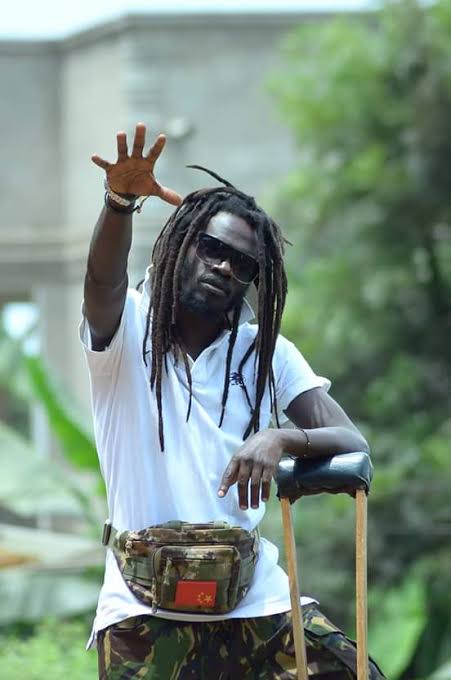
According to the veteran singer, that ignorance came at a heavy price. He says excitement, pressure, and lack of industry knowledge blinded him to the business side of music, allowing others to benefit disproportionately from his talent and ideas.
Buchaman boldly claims that in many Firebase projects, he wasn’t just a performer—but the brains behind the concepts, lyrics, and delivery, yet today has little to show for it financially.
While stopping short of directly accusing Bobi Wine of exploitation, Buchaman’s remarks strongly suggest that early Firebase artists were undervalued and underprotected, a claim that has already ignited heated debate among fans and industry insiders.
Still, he acknowledges Bobi Wine’s financial muscle, admitting that the Firebase boss invested heavily in production through Dream Studios and Firebase Entertainment. However, Buchaman argues that investment alone should not erase the creative ownership of artists.
“Let him keep his share,” Buchaman stated. “But my contribution cannot be ignored.”
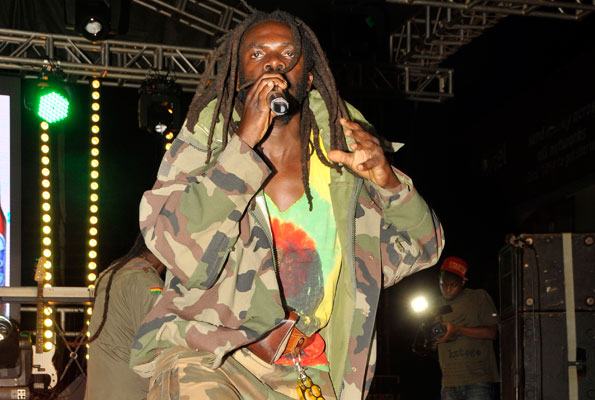
The singer insists his demands are not driven by personal grudges, but by a deeper need for recognition, justice, and fairness—especially for artists who helped build brands but were left out of the wealth they generated.
Buchaman’s explosive statements reopen an uncomfortable conversation about artist exploitation, power imbalance, and ownership rights in Uganda’s music industry—particularly during an era when young artists were desperate for exposure and willing to sign away their futures.
As social media reacts and opinions split, one thing is clear:
This is no longer just about music—it’s about who truly owns Uganda’s cultural legacy.