A proposal to introduce a new NGO Funding Act has triggered widespread public and political debate, raising fresh questions about the role of non-governmental organisations, foreign donor reliance, and accountability within the sector.
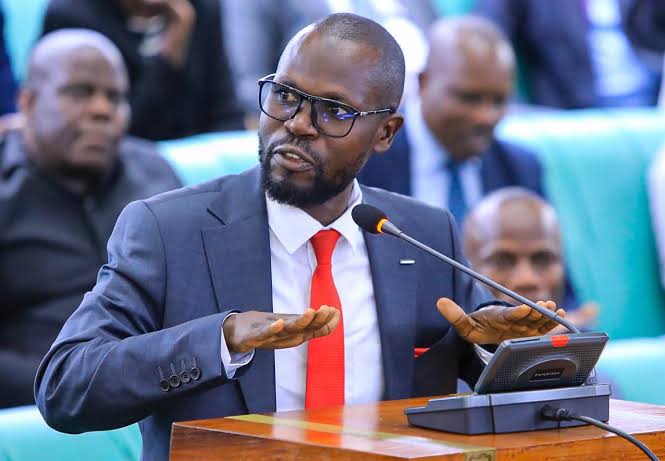
The proposal, submitted to Uganda’s Twelfth Parliament by Nyanzi Martin Luther, calls for government funding of community-based organisations (CBOs) to reduce dependence on foreign donors. Nyanzi questioned why local NGOs receive tax exemptions yet struggle to access domestic financial support despite operating within communities.
Uganda’s NGO sector is regulated under the Non-Governmental Organisations Act of 2016, which provides oversight on registration and funding. As the country prepares for the 2026 general elections, authorities have warned NGOs against over-reliance on foreign aid, citing legal provisions that encourage self-sustainability.
In November 2024, government suspended 54 NGOs over compliance issues, though officials later said engagements were ongoing. Government has also allocated Shs2.088 billion in the 2026/27 budget toward NGO regulation.
Lawmakers are divided. Kawempe North MP Elias Nalukoola said government support could enhance sustainability and local ownership. However, the Leader of the Opposition cautioned against funding NGOs without clearly separating them from grassroots CBOs to protect public funds.
Public debate has intensified following unverified social media allegations of child trafficking within the NGO sector. While no official investigations have confirmed the claims, they have fueled calls for stronger regulation and transparency.
As Parliament weighs possible reforms, Uganda faces a key challenge: balancing accountability and sovereignty while preserving the vital role civil society plays in serving vulnerable communities.